Keep building your amazing life— without feeling like you have to get everything right.

Online therapy for (im) Perfect women across California.
Does This Sound Like You?

You can function in many rooms, adapt to many worlds, and still feel unseen inside all of them.
With your family and friends, you honor their expectations of how you will show up—the quiet one, the odd one, the brainy one. You even laugh with them at your differences. To them it looks like you’re being you. But deep down it’s a code-switch not unlike the one you do at work as well. Where you just stay on. Smiling at your colleagues’ inability to understand how much stretching it takes to live on all sides of yourself. You keep your head down knowing they don’t really get it.
Sometimes it hits you on the drive home. You find yourself replaying old messages from family—comments about you being too ambitious, or a joke that crossed a line—and suddenly you’re spiraling. You think about how you couldn’t really be yourself growing up, how much you kept inside. And then the sadness creeps in. It’s not just hurt—it’s the grief of never being fully seen by anyone, not even the people you loved the most. It is the ache of realizing that even your happiest decisions have some sharp edges.
Meanwhile, you keep achieving. You’re goals are important, but new limits are introduced. As a woman, biology and time get in the way—and you feel this wave of anger. Not because you’re against nature—you walk barefoot with the best of ‘em. But now, no matter how much you exercise and drink water, you may not look the way you imagined when you finally arrive where you wanted to be. You’re surprised by how much easier it was to love your choices when they felt entirely within your control.
And yet, beneath all of it, there is also something deeply healthy.
A growing recognition that your life does not need to be perfect to be meaningful.
That you do not have to justify the choices that made you who you are.
And that the next chapter of your life may be less about proving yourself—and more about feeling fully at home in the life you have already built.
Maybe you’re…
…wondering whether you chose the “right” life, even as you know there may be no such thing as a perfect choice.
…highly accomplished on paper, but still carrying a quiet sense that you should be handling life more gracefully than you are.
…successful in work, but unsure why receiving support or depending on others can feel unexpectedly difficult.
…looking around at the life you built and thinking, I’m proud of this. I just want to feel more fully at home inside it.

Dear (im)Perfect Woman,
You’re choices are not wrong.You’re navigating expansion, belonging, and limits—while holding many parts of yourself that can sometimes feel in conflict. It’s complex, and it makes sense that it feels heavy at times. But you do not have to carry it alone.
You’re not trying to become a different person. You want to feel more deeply at home in the life you have already created.
You deserve a therapist who understands both the visible and invisible parts of your story. Someone who respects the complexity of the life you have built and the choices that shaped it. Someone who sees your anxiety, grief, self-doubt, and over-functioning not as signs that something is wrong with you, but as adaptations that once helped you move forward.
And someone who offers more than just coping skills. Someone who helps your inner world begin to reflect the life you have already created.
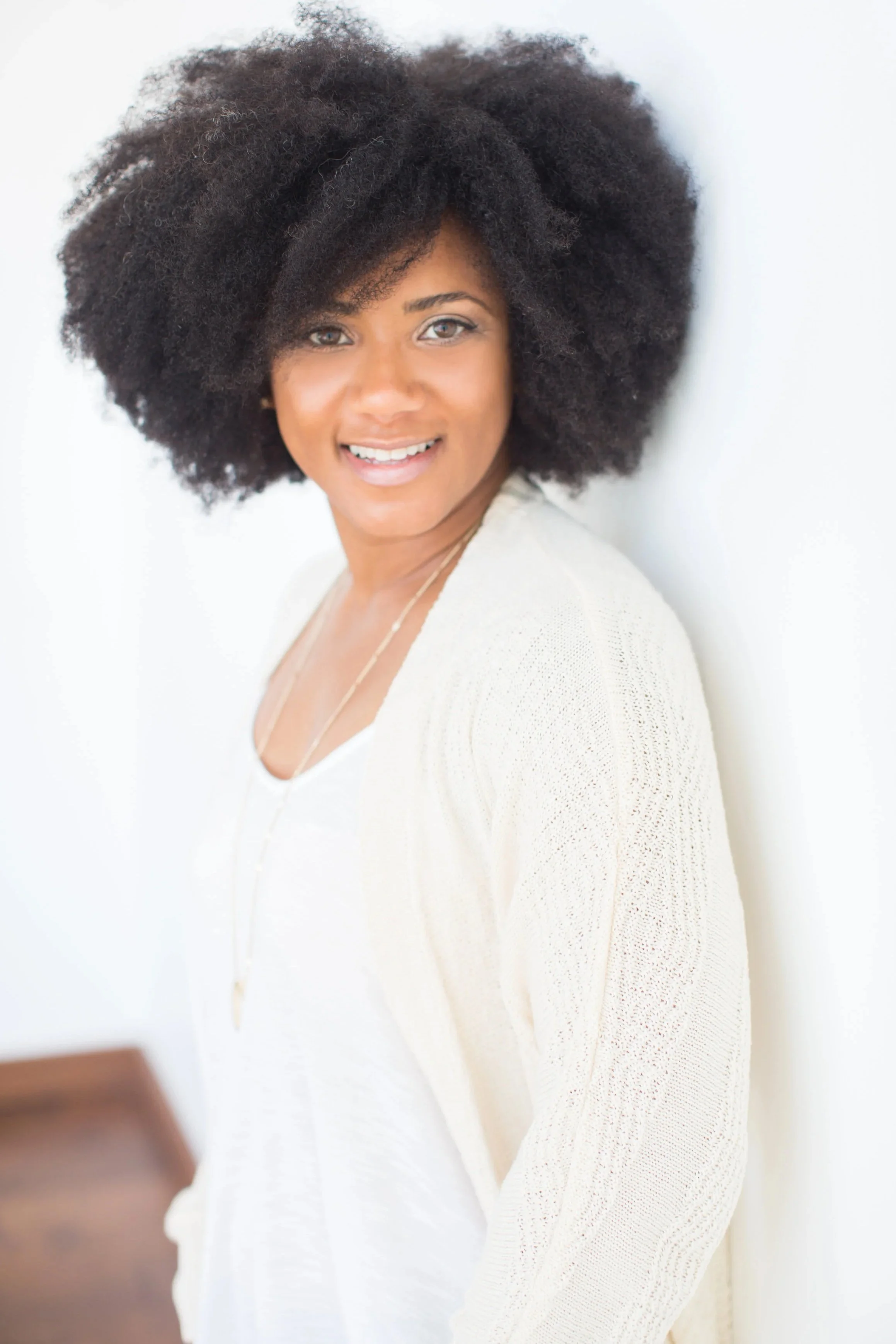
Hi, I’m Dr. Pipkins.
I’m a psychologist and a first-generation college graduate. I know what it is like to build a meaningful life while carrying experiences that do not fit neatly into anyone’s expectations. To become highly capable. To earn degrees. To reinvent yourself more than once. And none of that means you’re lost. It means you’ve been working very hard for a very long time.
And you do not have to choose between being successful and feeling deeply at home in your own life.
In our work together, we will make space for the parts of you that have been over-functioning, the parts that still feel uncertain, and the parts that are ready to live with greater steadiness, self-trust, and ease. You deserve support that honors both the life you have built and the one you are still creating.
My Specialties
-
Support for grief, identity, hyper-independence, and relationship patterns that can continue long after losing your mother in childhood or adolescence.
Read more about therapy after early mother loss →
-
Perimenopause and Menopause
Support for anxiety, sleep disruption, identity changes, and the emotional transition of midlife as your body and nervous system adjust to hormonal change.
Read more about therapy for perimenopause and Identity Shifts →
-
Imposter Syndrome
For first-generation graduates navigating self-doubt, overachievement, and the pressure to succeed while carrying the hopes of those who came before you.
-
A focused, brain-based approach that helps shift anxiety, trauma, and longstanding emotional patterns at the level where they are held most deeply.
You’re not alone in this.
Here’s how we’ll take the next steps together.
1.
Reach Out
Fill out the contact form and let me know what’s brining you in. I’ll reach out to schedule a free 15-minute phone call.
2.
Connect
On the call, we’ll talk about what you’re hoping for and see if we’re a good fit. If not, I’ll help you find someone who is.
3.
Begin
If we decide to move forward, we’ll schedule your first session, set some goals, and start the work — together.
Online Therapy That Works for Your Real Life

No travel time, parking stress, or rushing across town. Just a private space where you can settle in before we begin and have a few moments afterward to reflect. My clients join from their home, office, or another quiet place. Therapy shouldn’t add more pressure. With online sessions, it won’t.