
FFOR WOMEN | ONLINE ACROSS CA
Social Anxiety Therapy
Find your way to more confidence and ease—through mind–body therapy for your nervous system.
If you’re honest with yourself, you spend a lot of time thinking about how you’re coming across.
YOU AVOID CONVERSATIONS, SITUATIONS, OR MOMENTS WHERE YOU MIGHT BE SEEN—even when you understand exactly why your social anxiety comes up.
You’ve built a life that reflects your intelligence, effort, and discipline. You show up. You perform. You carry a lot. But in social situations, your body can respond before you have a chance to think your way through it. You leave interactions wishing you had said less—or said it differently, wondering whether you were judged in ways you can’t quite confirm.
Ly Franshaua Pipkins, Psy.D., specializes in social anxiety therapy across California through her online therapy practice, using nervous system-based approaches to help you move beyond understanding your anxiety and begin changing the patterns that keep it going.
YOU’RE READY TO EXPERIENCE:
An increased ability to stay present in social situations that used to feel overwhelming
More space between feeling self-conscious and automatically withdrawing or shutting down
Less replaying conversations and analyzing what you said afterward
Greater ease speaking without rehearsing every word in your head first
Less fear that other people are noticing or judging you
More confidence initiating conversations and participating in social situations
Greater trust in yourself when you’re unsure how someone perceived you
Less pressure to say exactly the “right” thing
More freedom to be yourself instead of monitoring how you’re coming across



HOW IT WORKS
Together, we gently practice facing the situations social anxiety has taught you to avoid.
All of our work begins with the relationship between you and me. We’ll start with a consultation to see how we connect. From there, we’ll move forward with a full assessment and begin the work.
With gentle exposure therapy, we begin changing that pattern gradually and collaboratively. Together, we’ll identify the situations that bring up anxiety and start practicing with experiences that feel challenging but manageable. That might mean speaking without rehearsing first, initiating a conversation, allowing a pause without rushing to fill it, or resisting the urge to replay an interaction afterward.
The goal isn’t to throw you into your biggest fear or force the anxiety away. Instead, we create opportunities for you to experience discomfort while learning that you can stay present, tolerate uncertainty, and respond differently—even when anxiety shows up.
Over time, experiences that once felt threatening can begin to feel more manageable. You can spend less energy monitoring yourself and more energy actually participating in the conversation, relationship, or experience in front of you.
You’re in control of the pace. My role is to help us find the balance between gently challenging the patterns that keep social anxiety going and creating enough safety and support for you to try something new.
Dr. Pipkins provides social anxiety therapy online throughout California, allowing us to practice many real-life exposures in the environments where your social anxiety actually occurs.
I specialize in brain body-based therapies because of the positive—and often more immediate—changes I saw in my clients.
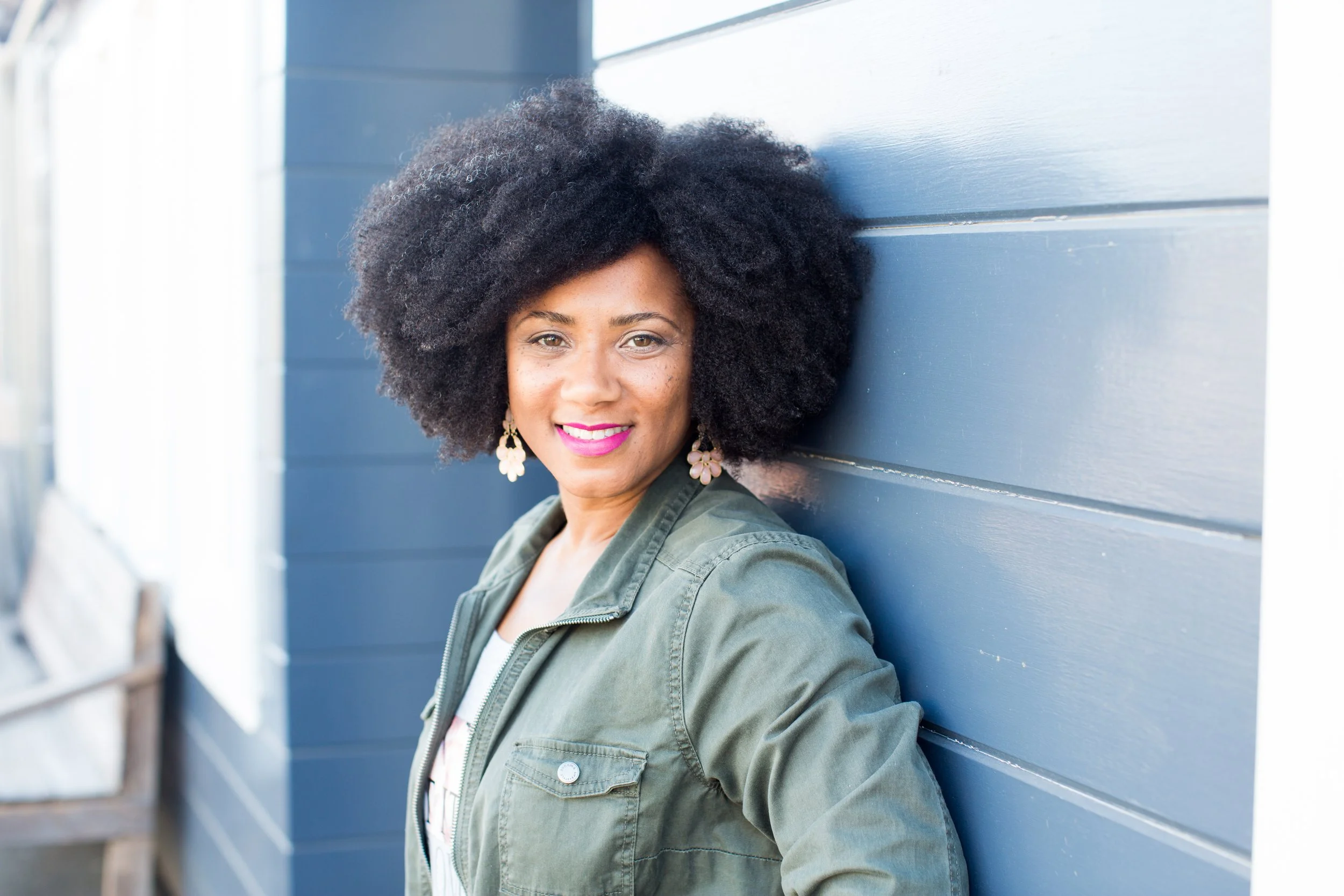
You don’t have to keep watching yourself from the sidelines when you want to be fully present in your life.
Frequently Asked Questions.
-
Yes. Many people with social anxiety are socially skilled, professionally successful, or highly articulate. Social anxiety does not always look like avoiding people entirely. For some, it shows up internally through overthinking conversations, fear of being evaluated, difficulty relaxing socially, replaying interactions afterward, or feeling highly self-conscious even while appearing composed externally.
-
IAbsolutely. Social anxiety often involves strong physical responses such as blushing, muscle tension, shakiness, sweating, stomach discomfort, shallow breathing, or feeling mentally “blank” during conversations. These responses are driven by the nervous system’s threat response and can occur even when you logically understand that the situation is safe.
-
Many people with social anxiety experience a pattern called post-event processing — mentally reviewing conversations, analyzing how they came across, or worrying they said the wrong thing. This often reflects a nervous system that remains activated even after the interaction has ended. Therapy can help reduce this cycle by working not only with thoughts, but with the underlying physiological patterns that keep social situations feeling emotionally high-stakes.
-
Exposure therapy doesn’t mean being pushed into overwhelming situations.
In this work, it’s approached gradually and collaboratively—at a pace that allows you to stay present and engaged. Often, we’re working with smaller moments or internal experiences rather than jumping straight into high-pressure situations.
The goal isn’t to force anything, but to help your system respond differently over time.
-
No. Medication can be a helpful part of treatment, and you’re not expected to stop.
This work can complement what you’re already doing. Some people continue medication, some adjust over time in consultation with their prescribing provider, and some choose not to change anything at all.
We focus on expanding your options—not replacing one approach with another.
-
Brainspotting is a mind-body approach that helps process experiences at a deeper level than talk therapy alone.
You’re never required to use any specific method. We can talk through different options and decide together what feels most useful and appropriate for you.
The work is always collaborative and tailored to your comfort and goals
-
No. Effective social anxiety therapy is collaborative and gradual. Exposure-based work is not about overwhelming you or pushing past your limits. The goal is to help your nervous system build flexibility and confidence over time, at a pace that feels manageable and supportive rather than forced.
-
Yes. Many people seek therapy after years of adapting to social anxiety privately. Even long-standing patterns can shift. Nervous system responses are learned through repetition and experience, which means they can also change through new experiences of safety, regulation, and connection over time.